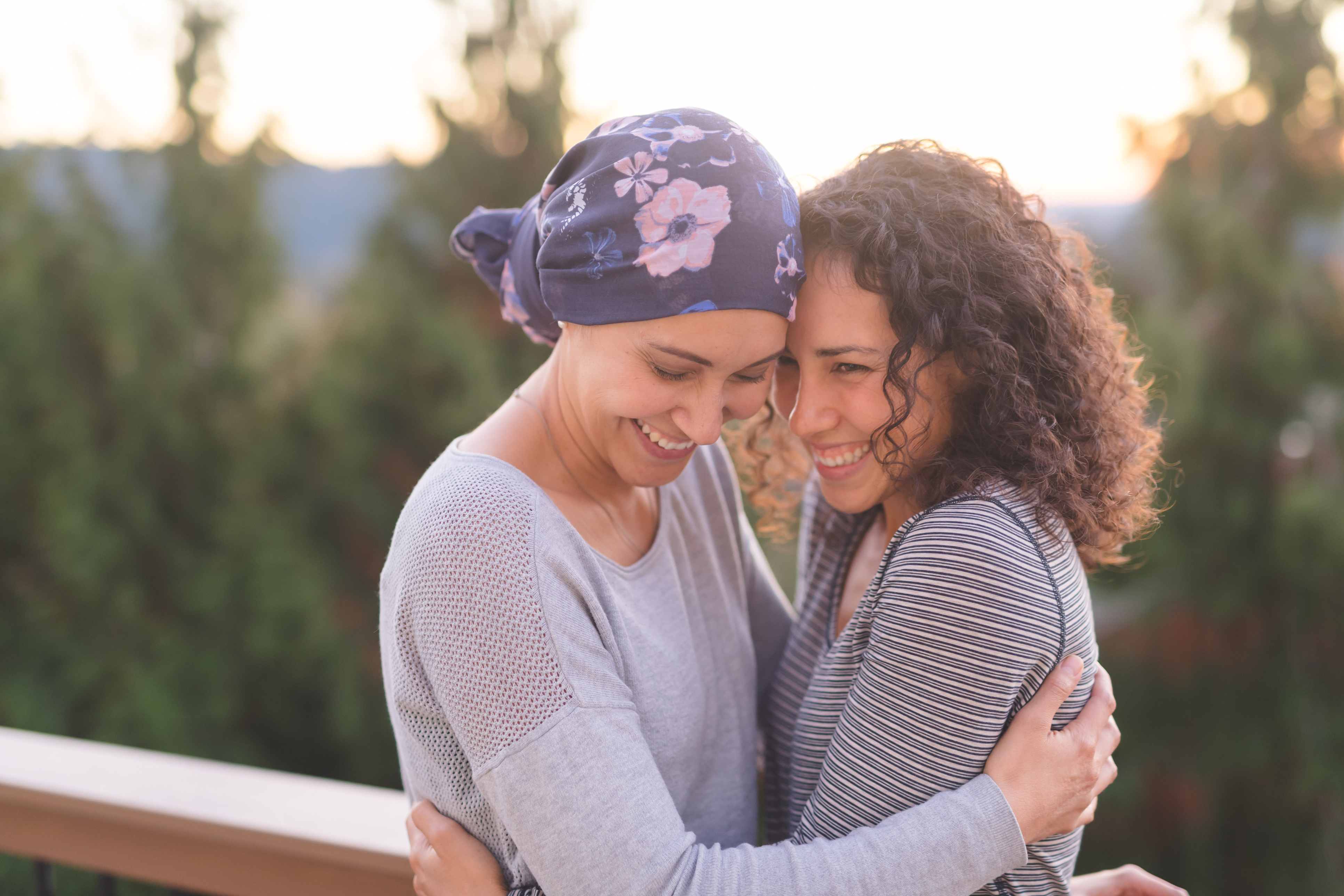
A Day to Celebrate: Cancer Survivors

Share this article

What is National Cancer Survivors Day?

National Cancer Survivors Day is an annual celebration recognized around the world to celebrate cancer survivorship. This special day is a time to recognize the many people living with cancer including those who have been recently diagnosed, those in remission, and the family and friends who support them along the way.

This celebration of life happens on the first Sunday in June.

We also take this occasion to honour the dedicated health care teams who support Canadians in their cancer care journeys, as well as the important role patient support and advocacy groups play in providing Canadians with resources, support, and access to community.

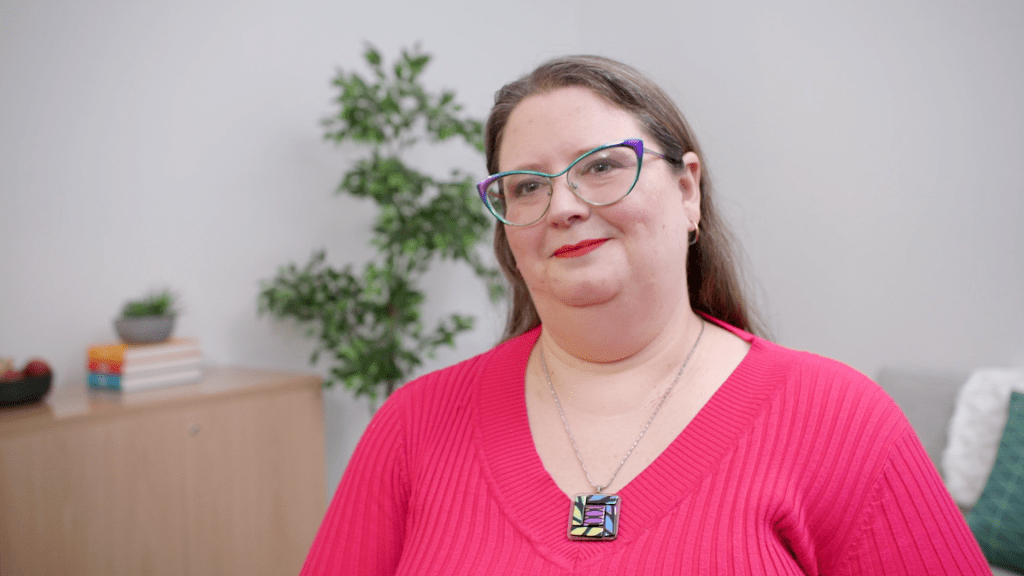
“Through my cancer journey I have built a strong community; one I am very grateful for and has helped me get through difficult times. I make every effort to give back to the community and do what I can to support others as they navigate their own journeys.” – Shannon Gaudette, Cancer Survivor.

Shannon was first diagnosed with early-stage melanoma in 2005, stage III in 2010 and stage IV in 2011. Click above to learn about her journey with cancer.

How does cancer affect Canadians? 

Cancer remains the leading cause of death in Canada.1 Experts expect over 40% of Canadians to develop cancer in their lifetimes, and 25% (1 in 4) are expected to die from the disease.2

While the general rates of cancer incidence and related deaths are on the decline, Canada is projected to see an increase in new cancer cases and related deaths in 2024, largely due to an aging and growing population.3

Each patient journey is different, and outcomes are not the same for everyone. This is why continued advancements in research and innovation are important, which can help contribute to better patient outcomes.

Merck’s Commitment to Oncology  

National Cancer Survivors Day is an important day for all of us at Merck Canada, and our commitment to Canadians living with cancer is unwavering. Through our ongoing research, medical innovation and partnerships with members of the oncology community, we aim to help Canadians diagnosed with cancer live longer and better lives.

“National Cancer Survivors Day is an important moment for the oncology community, and today, we celebrate the survivors, their families, and the care teams who support them throughout their journey. This day also highlights the progress in survivorship and the need to continue pushing forward to help improve the lives of Canadians living with cancer.” – André Galarneau, PhD, Executive Director & Vice President, Oncology Business Unit at Merck Canada.


References

1. Canadian Cancer Statistics 2021. Public Health Agency of Canada. Available at: https://www.canada.ca/en/public-health/services/reports-publications/health-promotion-chronic-disease-prevention-canada-research-policy-practice/vol-41-no-11-2021/canadian-cancer-statistics-2021.html. Accessed on March 7, 2025. 2. Canadian Cancer Society. Cancer Statistic. Available at: https://cancer.ca/en/research/cancer-statistics . Accessed on March 7, 2025. 3. Canadian Medical Association Journal. Projected estimates of cancer in Canada in 2024. Available at: https://www.cmaj.ca/content/196/18/E615. Accessed on March 7, 2025.

CA-NON-03934
Early Detection: An Important Step in Cancer Care

Share this article

PatientTestimonials

Over 247,000 Canadians are expected to be diagnosed with cancer this year.1 Early detection of cancer, when it is often easier to treat, can help support better health outcomes.2  Some of the benefits of early detection include less aggressive forms of therapy3, as well as an increase in 5-year survival rates for some of the most common cancer types in Canada.4

There are things you can do to take control of your health and increase the likelihood of early detection by a doctor.

Cancer Staging and Early Diagnosis

Doctors use staging as a common way to describe the size and spread of cancers at the time of diagnosis. In the earliest stages, cancer is typically relatively small and has not spread into surrounding tissue or metastasized to a distant site in the body.5 Stages, which are determined through testing, can help doctors select the best treatment plan for you, or choose a clinical trial you may want to join.5

Too often cancer is not diagnosed until a later stage6. For many types of cancers, the 5-year net survival is higher when the cancer is detected at earlier stages7:

  • Lung cancer is the most commonly diagnosed cancer and the leading cause of cancer death in Canada.8 Half of all lung cancers in Canada are diagnosed at stage 4, the latest stage, for which the 5-year net survival rate falls to 3.1% compared to 61.5% for those diagnosed at stage 1, the earliest stage.4
  • 5-year net survival rates at stage 1 for colon cancer are eight times higher compared to a stage 4 diagnosis.9
  • The most common types of non-melanoma skin cancer, basal cell and squamous cell carcinoma, are 99% treatable if detected early. Melanoma can also have a high chance of successful treatment when caught early.10
  • For breast cancers diagnosed at an early stage, the 5-year survival rate ranges from 92% (at stage 2) to nearly 100% (at stage 1). 9

Note: The net survival is an estimate of the percentage of people who will survive their cancer in the absence of other causes of death.

Meet Ali, a breast cancer survivor who took a proactive approach to her diagnosis and treatment. With a family history of cancer, it was important to Ali to give herself the best possible outcome by acting early.

Supporting Early Diagnosis

Every cancer diagnosis journey is different, but healthcare providers or cancer specialists can recommend strategies to help you reduce your risk of developing certain types of cancers and support early diagnosis11:

  • Understand your risk factors: Factors like a family history of cancer, exposure to harmful chemicals, tobacco use and some dietary habits can increase your risk.12 Talk to your doctor for more information on risk factors. Some provincial health organizations also offer online assessments and tips for lowering your risk – see My CancerIQ.
  • Regular checkups and screening tests: If you’re in a certain age or population group, you can have screening tests that help find certain types of cancer before you’ve even noticed symptoms. Consult your doctor for regular checkups and to learn when you should be screened for certain cancers.13
  • Know your body: Even if you’ve recently seen your doctor for a checkup, it’s important to discuss any new symptoms or changes to your body with them. If your symptoms persist or get worse after a checkup, it’s important for you to continue to report these changes to your doctor.14

The Role of Screening Programs

Screening programs play a significant role in the early detection of cancer.15 These programs are designed to test for cancer before symptoms present themselves.16 In Canada, provinces may offer different screening programs for cancers such as breast, cervical, colorectal, and lung cancer. Talk to your doctor to find out if you are eligible for screening.13

Patient Groups

In Canada, patient advocacy groups offer resources to individuals seeking information and support pertaining to a particular condition or disease. They often lead disease awareness efforts to support early detection and advocate for screening programs and services. To see what groups are out there, you can do a quick web search using key words such as “cancer,” a specific cancer type, or “patient support”.

For more resources, visit your local provincial health website for information on available services. These sites offer detailed information on available screening programs and what to expect from the process. Canada.ca also offers a comprehensive list of provincial and territorial health care web resources.

CA-NON-03722

References

1 https://cancer.ca/en/research/cancer-statistics/cancer-statistics-at-a-glance

2 https://cancer.ca/en/cancer-information/find-cancer-early

3 https://cancer.ca/en/research/our-impact/saving-lives/early-detection-and-diagnosis

4 https://www.statcan.gc.ca/o1/en/plus/2773-when-caught-first-stage-five-year-survival-exceeds-90-four-five-most-common-cancers

5 https://cancer.ca/en/cancer-information/what-is-cancer/stage-and-grade/staging

6 https://www.partnershipagainstcancer.ca/cancer-strategy/strategic-priorities/priority-2-diagnose/

7 https://pubmed.ncbi.nlm.nih.gov/36716075/

8 https://cancer.ca/en/cancer-information/cancer-types/lung/statistics

9 https://www150.statcan.gc.ca/n1/pub/82-003-x/2023001/article/00001-eng.htm

10 https://www.canadianskincancerfoundation.com/early-detection/skin-check/

11 https://cancer.ca/en/cancer-information/reduce-your-risk

12 https://cancer.ca/en/cancer-information/reduce-your-risk/check-your-family-history

13 https://cancer.ca/en/cancer-information/find-cancer-early/screening-for-cancer

14 https://cancer.ca/en/cancer-information/find-cancer-early/know-your-body/what-kinds-of-changes-in-my-body-should-i-report-to-my-doctor

15 https://www.cancercareontario.ca/en/get-checked-cancer

16 https://cancer.ca/en/cancer-information/find-cancer-early/screening-for-cancer/what-you-should-know-about-cancer-screening

Shared Decision Making: Taking an Active Role in Your Cancer Care Journey

Share this article

A cancer diagnosis can be a life-altering and emotional event. Making important choices about your cancer journey can be complex and overwhelming, especially when decisions need to be made quickly. 

Shared decision-making can help you work with your healthcare team to make informed decisions and create a plan that aligns with what is most important to you.

What is Shared Decision Making?  

Shared decision-making is when you and your healthcare team work together to make informed medical decisions. It involves combining the best evidence-based science with your individual values, priorities, and lifestyle.

There are different approaches to shared decision-making, and the best approach will depend on your preferences. Some patients may prefer more guidance, while others may want an open dialogue. This relationship can also evolve over time as you learn more about your condition.

The benefit? Feeling empowered to navigate your care journey with confidence. By taking an active role in care decisions, your team can customize a care plan that meets your specific needs, and you can feel more comfortable with the path chosen and course correct as you move through it.

Building a Partnership With Your Care Team  

Central to shared decision-making is building a collaborative partnership between you and your care teams. This requires open communication, mutual respect, and shared responsibility. In a successful partnership, healthcare providers act as guides and allies.

Where can you start?

Icon of magnifying glass

Learn as much as you can about your diagnosis and test results.

Icon of individuals having a conversation

Share your preferences, values, and goals; ask a loved one to support if you need help.

Icon of a physician holding a clipboard

Ask about available care options and openly discuss the risks and benefits of each.

The following are some questions to help you open the discussion:

  1. What type and stage of cancer do I have?
  2. What is the current prognosis?
  3. What tests will be done to analyze my cancer type and determine the best care options?
  4. What are the available options, and what are the potential benefits, risks, and short- and long-term side effects?
  5. How will my care options affect my life, including work, family, hobbies, and personal responsibilities?
  6. What support groups, services or resources are available for my type of cancer?
  7. How will my healthcare team step in to help manage my health if I am feeling unwell during my care journey?
  8. How will we monitor the progress of my care?

Leaning on Available Resources and Support  

Knowledge is power. Patient support groups (PAGs) are one way you can gain access to invaluable resources and support, including medical information, care services, and community. By tapping into the collective knowledge and experiences of these communities, you can gain a deeper understanding of your condition, lean on others with shared experiences, and feel empowered to make well-informed decisions about your care.


CA-NON-03253

lock icon
Shared Decision Making: Taking an Active Role in Your Cancer Care Journey

This content is password protected. Please enter a password to view.

lock icon
Understanding Kidney Cancer

This content is password protected. Please enter a password to view.

Understanding melanoma: Signs, symptoms and risk factors

Share this article

What is melanoma?

Melanoma is a very serious form of skin cancer because it can spread (metastasize) to other parts of the body. Characterized by the uncontrolled growth of melanocytes—the pigment-producing cells that gives skin, hair, and eyes their colour—melanoma is responsible for the vast majority of skin cancer deaths in Canada.


Melanoma can affect anyone regardless of sex, age or race, can occur anywhere on the skin, including areas without much sun exposure, but it is more likely to start in certain locations.

  • The back or lower legs are the most common sites for women
  • The head, neck, and back are the most common sites for men

The chance of developing melanoma skin cancer increases with age, but can also develop in younger people, including those aged less than 30.7

Incidences of melanoma have more than tripled
in the last 30 years in Canada

Approximately 11,300 new cases of melanoma of the skin were estimated to be diagnosed in Canadians in 2024.7 This represents an increase of 17% from 2023.7

About 6,500 men | About 4,800 women7

Approximately 1,300 Canadians were expected to die of melanoma in 2024.7 While melanoma accounts for a small percent of all skin cancers, it causes a large majority of skin cancer deaths.8

Signs and symptoms

A new spot on the skin — one that changes in size, shape or colour, or one that looks different — can be a warning sign of melanoma and should be checked by a doctor. The ABCDE rule outlines the characteristics of moles that may be melanomas and is helpful guidance for monitoring skin changes:

A is for Asymmetry

The shape of one half of the mole appears different than the other.

B is for Border

The edges of the mole are irregular, blurred, or ragged.

C is for Colour

It’s unusual in colour, with different shades of tan, brown, black, or sometimes with blue, gray, red, pink, or white.

D is for Diameter

A mole that is greater than the size of a pencil eraser (6mm) from edge to edge.

E is for Evolving

A mole that changed over time or may be itchy, scaly, or bleeding.

Check your skin regularly using the ABCDE rule. You should do so on a monthly basis and don’t be shy to ask a partner or loved one to help check those hard-to-see places.

Certain risk factors for melanoma

  • Ultraviolet (UV) radiation exposure, such as sunlight and indoor tanning beds or lamps
  • Many moles
  • Atypical moles
  • Fair skin, and light-coloured eyes and hair
  • Personal or family history of skin cancer
  • CDKN2A gene mutation
  • Weakened immune system

Patient support groups play an important role in providing information about risk factors and symptoms as well as support for patients and caregivers. There are a number of these organizations in Canada, including Melanoma Canada, Save Your Skin and Canadian Skin Patient Alliance.

Ways to help lower risk

Melanoma can’t be entirely prevented, but there are ways to help lower your risk. The number one way to lower risk is to protect against UV rays, which can damage the DNA in skin cells and lead to cancer. The top source of UV rays is the sun. That’s why it’s important to practice sun safety every time you go outside, even on cloudy days when UV rays can still shine through.

Here are a few ways to protect yourself:

Use sunscreen

For outdoor activity, use a water-resistant, broad-spectrum sunscreen with an SPF of 50 or higher.

Seek shade

UV exposure is greatest between the hours of 11 a.m. and 3 p.m. If you need to be outside during these hours, seek shade – under a tree, an umbrella or an awning.

Cover up

Cover your skin as much as possible with tight-woven or UV protection clothing. Also wear a wide-brimmed hat at least 2 or 3 inches wide to protect your face, top of head, ears and neck.

Wear sunglasses

Protect your eyes and the sensitive skin around them. Pick a close-fitting pair that blocks UVA and UVB rays.

Keep it natural

Avoid tanning beds and sun lamps.

For more information on melanoma and some ways to help prevent it, visit www.practiceskintimacy.ca.


References

1 American Cancer Society. Ultraviolet (UV) Radiation. Available at: https://www.cancer.org/cancer/risk-prevention/sun-and-uv/uv-radiation.html. Last accessed June 5, 2023.
2 Cancer.net. Melanoma: Statistics. Available at: https://www.cancer.net/cancer-types/melanoma/statistics. Last accessed May 17, 2023.
3  Canadian Cancer Society. Reducing your risk for melanoma skin cancer. Available at: https://cancer.ca/en/cancer-information/cancer-types/melanoma-skin/what-is-melanoma. Last accessed May 17, 2023.
4  Canadian Cancer Society. Risk factors for melanoma skin cancer. Available at: https://cancer.ca/en/cancer-information/cancer-types/skin-melanoma/risks. Last accessed May 17, 2023.
5 Canadian Cancer Society. Types of melanoma skin cancer. Available at: https://cancer.ca/en/cancer-information/cancer-types/skin-melanoma/what-is-melanoma/types-of-melanoma. Last accessed June 5, 2023.
6 Canadian Cancer Society. Melanoma skin cancer statistics. Available at: https://cancer.ca/en/cancer-information/cancer-types/skin-melanoma/statistics. Last accessed June 5, 2023.
7 Canadian Cancer Society. What is melanoma skin cancer? Available at: https://cancer.ca/en/cancer-information/cancer-types/skin-melanoma/what-is-melanoma. Last accessed May 17, 2023.
8 Mayo Clinic. Melanoma. Available at: https://www.mayoclinic.org/diseases-conditions/melanoma/symptoms-causes/syc-20374884. Last accessed June 5, 2023.
9 Melanoma Canada. How to detect melanoma. Available at: https://www.melanomanetwork.ca/melanomadetection/. Last accessed May 17, 2023.
10 Melanoma Canada. Melanoma Stats and Facts. Available at: https://www.melanomanetwork.ca/stats-and-facts/. Last accessed May 17, 2023.
11 Melanoma Canada. What is melanoma? Available at: https://www.melanomanetwork.ca/melanoma/. Last accessed May 17, 2023.
12 Public Health Agency of Canada. Skin cancer. Available at: https://www.canada.ca/en/public-health/services/sun-safety/skin-cancer.html. Last accessed May 17, 2023.
13 Melanoma Network of Canada. Sun Safety. Available at: https://www.melanomanetwork.ca/sunsafetycouncil/staysunsafe/. Last accessed June 5, 2023.

CA-NON-04203

The Importance of Skin Checks: Encouraging Canadians to Practice Skintimacy™

Share this article

Melanoma is the most invasive type of skin cancer with the highest risk of death.1 With an estimated 9,000 Canadians diagnosed in 2022,2 melanoma can present a serious health concern for Canadians. 

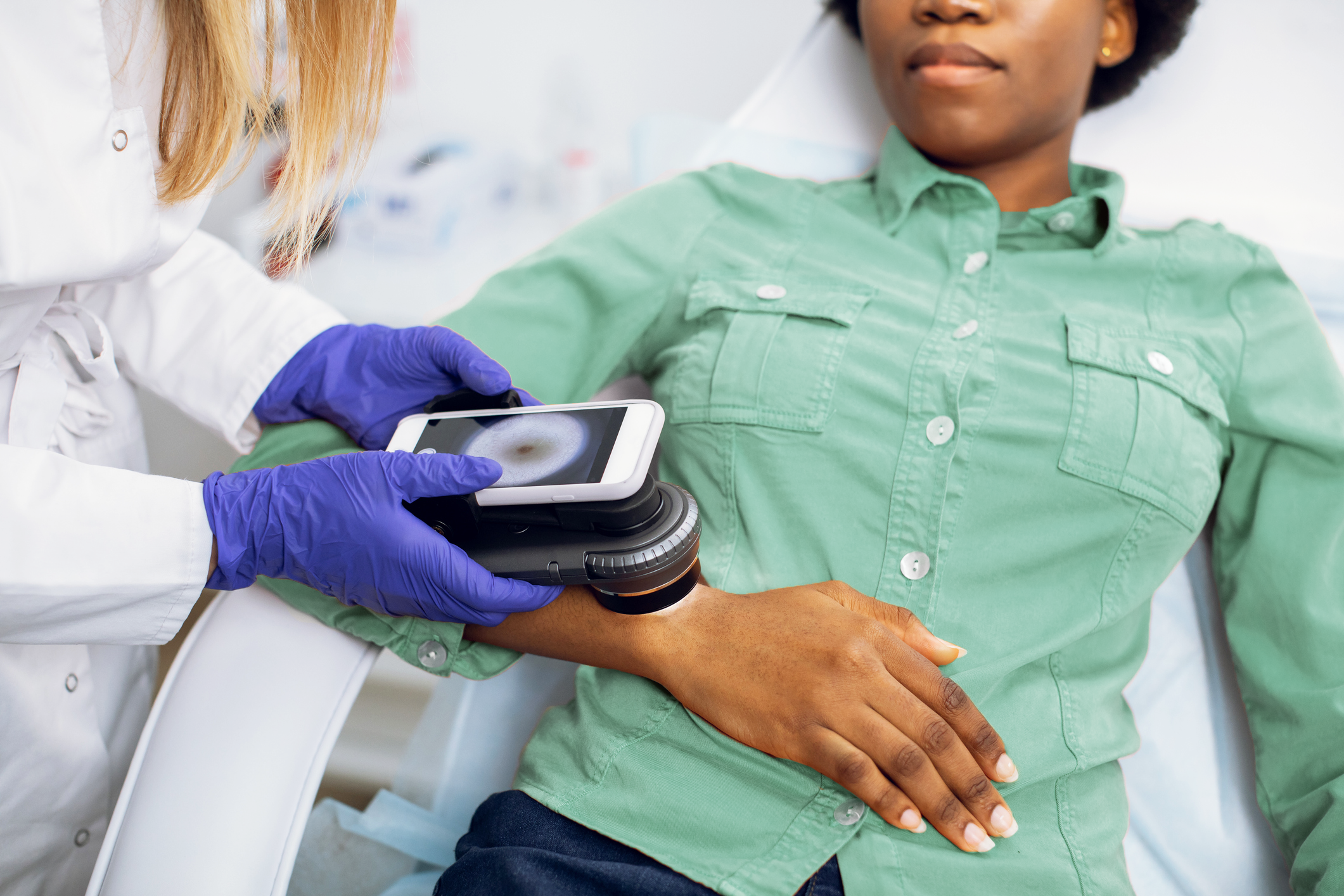
While melanoma develops primarily on areas that are exposed to the sun, including the head, neck, back, and legs, it can happen anywhere on the skin.3,4 More than this, melanoma may present differently in people of colour, and sometimes appears on the palms of the hands, under the nails, or the soles of the feet.5

The good news is that when the disease is detected early, cure rates can reach more than 90%.6 

As melanoma can be visibly identified,7 it is important for Canadians to recognize the signs and symptoms of melanoma to help support early diagnosis.

What does it mean to Practice Skintimacy™?

Research shows that partners and loved ones can play an important role in the early detection of melanoma.8 Canadians are encouraged to Practice Skintimacy ™ by getting up-close-and-personal with their skin and having their loved ones help them perform regular skin checks.

Performing a self-examination of your skin once a month is recommended to help detect changes to your skin.9 Leading cancer organizations like Melanoma Canada and the Save Your Skin Foundation recommend that Canadians conduct regular and thorough skin checks to help support earlier detection of skin cancer.10,11

How Canadians can Practice Skintimacy™ at home

It’s easy to Practice Skintimacy™ with a few simple household items that can help Canadians engage their loved ones to do this exercise, together. To create a Practice Skintimacy™ toolkit, gather the following items:

  • A ruler to measure the size of your moles
  • A handheld mirror to look at the hard-to-see places
  • A comb to get a good look at the scalp

You can conduct your skin check by following the ABCDEs of melanoma and assess moles for signs of asymmetry, border irregularities, colour, diameter and evolution, and be sure to repeat this skin check each month.

Learn more about how to check for some of the signs and symptoms of melanoma at home at www.practiceskintimacy.ca.

Merck’s Commitment to Oncology

At Merck Canada, our commitment to Canadians living with cancer is unwavering. We recognize that to have the greatest impact, we need to be working with the entire oncology community, including patient support groups and healthcare practitioners, to address the growing burden of cancer. This means aiding in prevention, encouraging early detection, and participating in on-going research and innovation.


References

1  Cleveland Clinic. Melanoma. Available at: https://my.clevelandclinic.org/health/diseases/14391-melanoma#:~:text=Melanoma%20is%20the%20most%20invasive,red%20hair%20and%20blue%20eyes.
2  Canadian Cancer Society. Melanoma skin cancer statistics. Available at: https://cancer.ca/en/cancer-information/cancer-types/skin-melanoma/statistics#:~:text=Incidence%20and%20mortality&text=It%20is%20estimated%20that%20in,770%20will%20die%20from%20it.
3 Mayo Clinic. Melanoma. Available at: https://www.mayoclinic.org/diseases-conditions/melanoma/symptoms-causes/syc-20374884.
4  American Cancer Society. What is Melanoma Skin Cancer. Available at: https://www.cancer.org/cancer/types/melanoma-skin-cancer/about/what-is-melanoma.html.
5 Melanoma Canada. Skin of Colour. Available at: https://www.melanomanetwork.ca/skin-of-colour/
6 Canadian Dermatology Association. Melanoma. Available at: https://dermatology.ca/public-patients/skin/melanoma/.
7 Melanoma Canada. How to Detect Melanoma. Available at: https://www.melanomanetwork.ca/melanomadetection/
8 Canadian Dermatology Association. Melanoma. Available at: https://dermatology.ca/public-patients/skin/melanoma/
9 Canadian Dermatology Association. Melanoma. Available at: https://dermatology.ca/public-patients/skin/melanoma/.
10 Save Your Skin Foundation. Skin Check Guide. Available at: https://saveyourskin.ca/skin-check-guide/.
11 Melanoma Canada. How to Detect Melanoma. Available at https://www.melanomanetwork.ca/melanomadetection/.

CA-NON-02662

How the Lung Diagnostic Assessment Program contributes to improving access to care for rural Ontarians with lung cancer

Share this article

May 15, 2023

Lung Cancer Innovation Challenge

In early 2021, Merck Canada, in partnership with MaRS Discovery District (MaRS), launched the Lung Cancer Innovation Challenge (LCIC) and asked Ontario-based innovators to identify, implement, and scale solutions that could help enhance the lung cancer patient journey, with the goal of reducing the length of time between diagnosis and treatment, and enabling improved health outcomes.

Aligned with Merck Canada’s focus, this challenge aimed to optimize healthcare systems and improve the patient journey. Recognizing care gaps within our system, which tend to be greater in rural communities, this was a unique opportunity to improve outcomes for Ontarians who are disproportionally affected by the disease.1

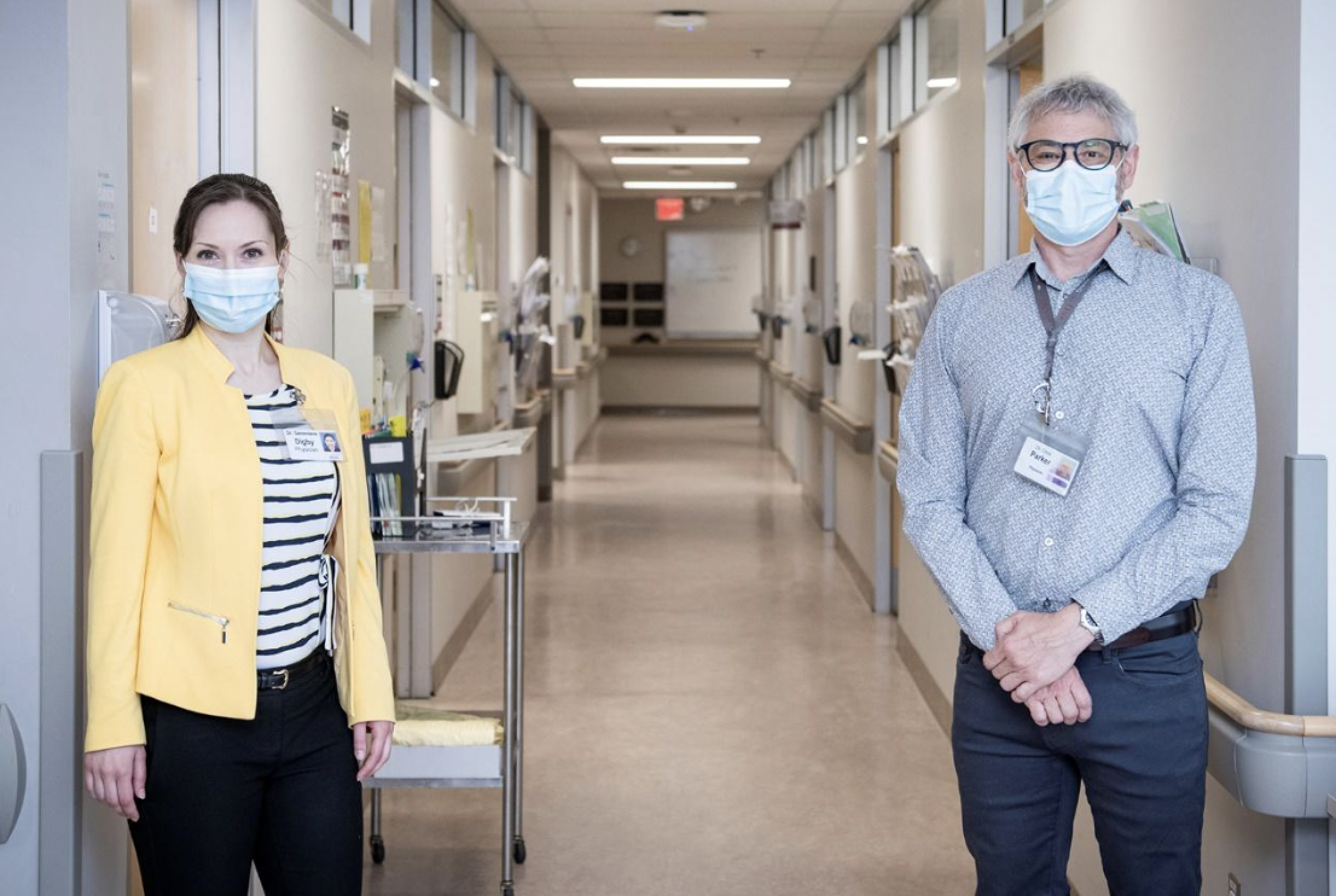
To meet this challenge, Dr. Geneviève C. Digby, Respirologist and Clinical Lead for the Diagnostic Assessment Programs at Kingston Health Sciences Centre (KHSC) along with her colleague and research collaborator Dr. Christopher Parker, proposed a project to help close the identified care gaps that exist for patients with suspected lung cancer who live outside of urban centres.  With the support of their regional collaborators, Drs. Digby and Parker started a regional diagnostic lung cancer outreach clinic located at the Lennox and Addington County General Hospital (LACGH) in Napanee, Ontario, with the goal of bringing specialty-level care to a non-urban centre.

Lung Diagnostic Assessment Program Outreach Clinic

The outreach clinic in Napanee was founded on an existing successful clinical model at Kingston Health Sciences Centre (KHSC) in Kingston, Ontario. The Lung Diagnostic Assessment Program (LDAP) Clinic seeks to facilitate the care of patients undergoing evaluation for suspected lung cancer. By adapting this model of care into a community-based environment, patients who live closer to Napanee now have a choice of where they would like to have their first consultation with a respirologist.

“Based on recent findings, we see that increased patient distance from our regional LDAP at KHSC is associated with worse survival for patients facing a lung cancer diagnosis. Some of the reasons for these observed disparities in care can relate to a geographically dispersed and predominantly rural population, with a large proportion of low-income households,” says
Dr. Geneviève Digby, Clinical Lead of the LDAP Clinic. “The Napanee LDAP outreach clinic aims to counteract these factors, by bringing equitable care closer to home while also removing some of the financial challenges that pose real barriers for residents living in the region.”

Lung Cancer in Ontario

Lung cancer is the most common cancer in Canada and the leading cause of cancer death across the country.2 Approximately one in two Ontarians is expected to be diagnosed with cancer in their lifetime, with lung cancer among the top three most probable cancers for both men and women in the province.3 Furthermore, rural populations face higher rates of late-stage lung cancer incidence and mortality.i Rural populations may experience greater challenges when it comes to accessing health systems and providers, which may deter health-seeking behaviour.

“We know that rural Ontarians experience higher rates of late-stage lung cancer incidence and mortality due to a variety of factors, including access to care. By making care more easily accessible and reducing patient travel, we aim to shorten the time between a referral to diagnosis for those undergoing evaluation for suspected lung cancer throughout the region, which is critical for improving patient outcomes.” -Dr. Christopher Parker, Site Lead at the Napanee LDAP Clinic.

The success of the LDAP Outreach Clinic

Since its inception in November of 2021, the LDAP Outreach Clinic has brought specialized lung cancer care “closer to home” for a growing number of patients, and in 2022 over 120 patients were assessed at the new clinic at LACGH. By providing an additional site for assessment, the LDAP Outreach Clinic has also opened up clinical capacity at the LDAP Clinic in Kingston, and there were tangible benefits:

  • Average time from LDAP patient referral to assessment decreased from 20 days to 14 days.
  • Patient travel was reduced by 8,856 km, an average of 73.2 km/ patient.
  • Patient out-of-pocket expenses saved totaled $5,755.60, an average of $47.60/ patient, due to reduced travel and parking expenses. 
  • Accounting for physician travel from Kingston to Napanee, total driving saved was 5,688 km, for a total CO2 emissions savings of about 1.9 tonnes.

“The success of the LDAP clinic is a true testament to what can be achieved when organizations work together towards a common goal. It’s encouraging to see the real-world impact that the LDAP team has had on delivering better access to specialized cancer care to rural Ontarians, which help contribute to better outcomes for patients.” – Marwan Akar, Managing Director at Merck Canada.

To learn more about the challenge and KHSC’s winning solution, visit The Lung Cancer Innovation Challenge.


 1 Jenkins WD, Matthews AK, Bailey A, et al. Rural areas are disproportionately impacted by smoking and lung cancer. Preventive medicine reports 2018. Available at: https://www.ncbi.nlm.nih.gov/pmc/articles/PMC5984228/.

2 Canadian Cancer Society. Lung and Bronchus cancer statistics. Available at: https://cancer.ca/en/cancer-information/cancer-types/lung/statistics

3 Cancer Care Ontario. Ontario Cancer Statistics 2020. Available from: https://www.cancercareontario.ca/en/statistical-reports/ontario-cancer-statistics-2020/key-findings.

CA-NON-02626

Women’s Health Week: Advocating for self-care

Share this article

In the following article, the word “women”, “woman” and associated pronouns will be used. Please note that this article is for all people who were born biologically female, regardless of gender identification, and that breast cancer can affect all people (less than 1% of all breast cancers occur in men).1 

With the growing demands of modern life, many women are often left juggling so much: their families, careers, and social commitments, which can leave little time for themselves. It’s easy for women to put themselves last on the priority list, especially when it comes to their health.

Changing the mindset  

Certain conditions, when diagnosed at an earlier stage, can be treated more easily with known treatment options and lead to better health outcomes—this can be particularly true for some types of cancers, such as breast and colon cancers.3

Commonly diagnosed cancers in women 15 

Breast cancer is the most common form of cancer among Canadian women—excluding non-melanoma skin cancers—and is the second leading cause of cancer-related deaths for this group.4

Risk factors such as family history or having dense breasts can increase the likelihood of developing breast cancer, among others.*5

Another cancer diagnosed among Canadian women is cervical cancer, with most cases occurring in women younger than 50 years of age.7

There are a number of risk factors associated with cervical cancer, including infection with the human papillomavirus (HPV), being sexually active, smoking, giving birth many times and a history of sexually transmitted infections (STIs).*7

Endometrial cancer, which starts in the cells that line the uterus (called the endometrium), is the most common type of uterine cancer and usually occurs in women over the age of 50.16,17

Risk factors include, but aren’t limited to, certain conditions such as obesity, diabetes, polycystic ovarian syndrome, Lynch syndrome, number of menstrual periods, and  never giving birth.* 17

Ovarian cancer is a broad term for cancers that begin at, or near, the ovaries. While it can occur at any age, ovarian cancer is more likely to develop in women who have gone through menopause. 15, 19, 21

There are a number of risk factors associated with ovarian cancer, including certain genetic conditions, personal or family history of ovarian cancer, breast cancer, or other cancers, and a history of endometriosis.*19 

Another common cancer in women is colorectal cancer, which is cancer that develops in either the colon or rectum.15,24
Colorectal cancer typically occurs in people over 50 years of age, with North America having one of the highest incidence rates. However, colorectal cancer is rising at an alarming rate in Canadians under the age of 50.

Other risk factors include personal or family history of colorectal cancer, as well as many lifestyle-related factors, such obesity, alcohol consumption, smoking, and diets high in fat, red and processed-meats.*22

Lung cancer is the most common type of cancer diagnosed in Canadians (excluding non-melanoma skin cancers)—and is the leading cause of death from cancer amongst women.25 

As you may already know, smoking tobacco is the most important risk factor for developing lung cancer and is responsible for about 72% of cases in Canada. Other risk factors include exposure to second-hand smoke, radon, asbestos, air pollution, occupational exposure and family or personal history of lung cancer.*26 

* This list is not exhaustive and does not include all possible risk factors.

Common signs and symptoms* 

Breast cancer9

  • Firm or hard lump in the breast
  • Lump in the armpit
  • Changes in the shape or size of the breast
  • Changes to the nipple
  • Discharge that comes out of the nipple without squeezing it or that has blood

Cervical cancer10

  • Abnormal vaginal bleeding between periods, after menopause or after sexual intercourse
  • Foul-smelling or increased amount of vaginal discharge
  • Unusually long or heavy periods 
  • Pain during sexual intercourse

Endometrial cancer18

  • Abnormal vaginal bleeding, including a change in menstruation (e.g., heavier periods), bleeding between periods, bleeding after menopause, or spotting
  • Unusual vaginal discharge
  • Pelvic pain or pressure
  • Pain during intercourse, urination, or bowel movements

Ovarian cancer20

  • Bloating
  • Difficulty eating
  • Abdominal discomfort
  • Urinary changes

Colorectal cancer23

  • Bloody Stools
  • Prolonged Constipation/Diarrhea
  • Narrow Stools
  • Abdominal Cramping
  • Unexplained Weight Loss/Loss of Appetite
  • Nausea/Vomiting
  • Fatigue/Lethargy

Lung cancer27

  • Cough that won’t go away or gets worse
  • Shortness of breath
  • Chest pain
  • Blood in mucus coughed up from lungs
  • Wheezing
  • Hoarseness or other changes to your voice
  • Unexplained weight loss

* This list is not exhaustive and does not include all possible signs and symptoms.

Patient support groups play an important role in providing information about risk factors and symptoms as well as support for patients and caregivers. There are a wide range of these organizations in Canada, including Lung Cancer Canada, the Canadian Lung Association, Lung Health Foundation, Colorectal Cancer Canada, the Colorectal Cancer Resource & Action Network, the Canadian Breast Cancer Network, Rethink Breast Cancer, Ovarian Cancer Canada, and many more within other cancer types.

While each type of cancer has its unique set of signs and symptoms, they may not always appear in the earlier stages of the disease.11 This is one reason why playing an active role in your health journey and knowing how to self-advocate can contribute to improving your overall health and well-being.

What you can do  

Keeping up with regular health check-ups, informing yourself on different diseases, including related signs and symptoms, and paying close attention to any changes to your body are some of the ways you can help protect your health.13

Additionally, participating in screening programs such as Papanicolaou (PAP) tests, Fecal Immunochemical (FIT) tests, and mammograms are other ways that can help you and your physician detect potential health problems and start treating them early.11,12

That said, these are just a few steps women can take to play an active role in their health. Self-advocacy is another way, which can be done by keeping an open line of communication with your healthcare team.

This can sometimes be challenging, but there are several strategies that can help: 

Take notes: Prepare a list of questions or concerns to discuss with your doctor. Some things to include: your symptoms, when they began and how often they occur; any factors that might impact your symptoms such as your medical history, diet, medications you are currently taking, or conditions that run in the family.14

Get informed: You can conduct your own research when it comes to a particular diagnosis and come prepared with questions to ask your healthcare team—patient support groups are a great place to start.14

Bring someone with you: If privacy isn’t a concern, ask a friend or relative to come with you to your medical appointments. They can provide support, ask questions you may forget, and help you remember what was discussed following the appointment.14

Listen to your gut: You know your body better than anyone. If you feel something is different, even if someone assures you it’s normal, don’t be afraid to speak up or ask for a second opinion.


References:

1. Canadian Cancer Society. Breast cancer in men. Available at: https://cancer.ca/en/cancer-information/cancer-types/breast/statistics. Last accessed March 7, 2025. 2. Public Health Strategy. Women’s Health Strategy. Available at: https://www.canada.ca/en/health-canada/corporate/about-health-canada/reports-publications/women-health-strategy.html#recognizing. Last accessed March 7, 2025. 3. Harvard Health. Are early detection and treatment always best? Available at: https://www.health.harvard.edu/blog/are-early-detection-and-treatment-always-best-2021012821816. Last accessed March 7, 2025. 4. Canadian Cancer Society. Breast cancer statistics. Available at: https://cancer.ca/en/cancer-information/cancer-types/breast/statistics. Last accessed March 7, 2025. 5. Canadian Cancer Society. Risks for breast cancer. Available at: https://cancer.ca/en/cancer-information/cancer-types/breast/risks. Last accessed March 7, 2025. 6. Canadian Cancer Society. Risk factors for cervical cancer. Available at: https://cancer.ca/en/cancer-information/cancer-types/cervical/risks. Last accessed March 7, 2025. 7. Canadian Cancer Society. Symptoms of breast cancer. Available at: https://cancer.ca/en/cancer-information/cancer-types/breast/signs-and-symptoms. Last accessed March 7, 2025. 8. Canadian Cancer Society. Symptoms of cervical cancer. Available at: https://cancer.ca/en/cancer-information/cancer-types/cervical/signs-and-symptoms. Last accessed March 7, 2025. 9. Canadian Cancer Society. Screening for cervical cancer. Available at: https://cancer.ca/en/cancer-information/cancer-types/cervical/screening. Last accessed March 7, 2025. 10. Canadian Cancer Society. Screening for breast cancer. Available at: https://cancer.ca/en/cancer-information/cancer-types/breast/screening. Last accessed March 7, 2025. 11. Better Health. Regular health checks. Available at: https://www.betterhealth.vic.gov.au/health/services andsupport/regular-health-checks?viewAsPdf=true. Last accessed March 7, 2025. 12. BC Women’s Hospital + Health Centre. Advocacy for Yourself & Others. Available at: http://www.bcwomens.ca/health-info/staying-healthy/navigating-the-health-system/advocacy-for-yourself-others#Advocate–for–yourself–&–others. Last accessed March 7, 2025. 13. American Cancer Society. Cancer facts for women. Available at: https://www.cancer.org/healthy/cancer-facts/cancer-facts-for-women.html. Last accessed March 7, 2025. 14. Canadian Cancer Society. What is uterine cancer? Available at: https://cancer.ca/en/cancer-information/cancer-types/uterine/what-is-uterine-cancer. Last accessed March 7, 2025. 15. Canadian Cancer Society. Risk factors for uterine cancer. Available at: https://cancer.ca/en/cancer-information/cancer-types/uterine/risks. Last accessed March 7, 2025. 16. Canadian Cancer Society. Symptoms of uterine cancer. Available at: https://cancer.ca/en/cancer-information/cancer-types/uterine/signs-and-symptoms. Last accessed March 7, 2025. 17. Canadian Cancer Society. Risk factors for ovarian cancer. Available at: https://cancer.ca/en/cancer-information/cancer-types/ovarian/risks. Last accessed March 7, 2025. 18. Canadian Cancer Society. Symptoms of ovarian cancer. Available at: https://cancer.ca/en/cancer-information/cancer-types/ovarian/signs-and-symptoms. Last accessed March 7, 2025. 19. Canadian Cancer Society. What is ovarian cancer? Available at: https://cancer.ca/en/cancer-information/cancer-types/ovarian/what-is-ovarian-cancer. Last accessed March 7, 2025. 20. Canadian Cancer Society. Symptoms of colorectal cancer. Available at: https://cancer.ca/en/cancer-information/cancer-types/colorectal/signs-and-symptoms. Last accessed March 7, 2025. 21. Canadian Cancer Society. Risk factors for colorectal cancer. Available at: https://cancer.ca/en/cancer-information/cancer-types/colorectal/risks. Last accessed March 7, 2025. 22. Canadian Cancer Society. What is colorectal cancer? Available at: https://cancer.ca/en/cancer-information/cancer-types/colorectal/what-is-colorectal-cancer. Last accessed March 7, 2025. 23. Canadian Cancer Society. Lung and bronchus cancer statistics. Available at: https://cancer.ca/en/cancer-information/cancer-types/lung/statistics. Last accessed March 7, 2025. 24. Canadian Cancer Society. Risk factors for lung cancer. Available at: https://cancer.ca/en/cancer-information/cancer-types/lung/risks. Last accessed March 7, 2025. 25. Canadian Cancer Society. Symptoms of lung cancer. Available at: https://cancer.ca/en/cancer-information/cancer-types/lung/signs-and-symptoms. Last accessed March 7, 2025.

CA-NON-03931

lock icon
Understanding bladder cancer

This content is password protected. Please enter a password to view.